
Domestic Building Insurance in Victoria: What Homeowners Need to Know in 2026
Domestic Building Insurance (DBI) is a mandatory requirement for many residential building projects in Victoria. This article explains how DBI works, when it applies, and what is changing under the Building and Plumbing Commission from 2026.

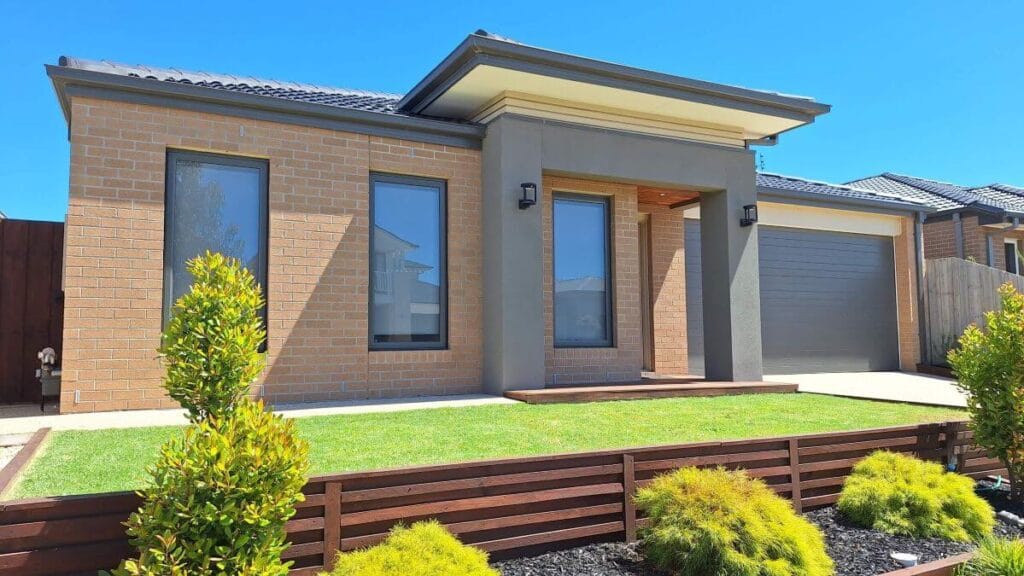
Domestic Building Insurance (DBI) is a mandatory part of many residential building projects in Victoria, yet it is often misunderstood. Many homeowners assume DBI works like a general warranty or that it applies automatically when defects arise. In practice, DBI has a much more specific role within the building compliance system.
Since July 2025, DBI has operated within a new regulatory framework overseen by the Building and Plumbing Commission (BPC), with further reforms scheduled to commence from July 2026.
This article explains how DBI works now, what is changing, and how homeowners should understand DBI as part of the broader building process.
What Is Domestic Building Insurance (DBI)?
Domestic Building Insurance is a mandatory insurance policy for most residential building work in Victoria valued over $16,000. In practice, DBI applies to domestic building work that requires a valid building permit, forming part of the broader approval and compliance process.
DBI is designed to operate as a last-resort protection for homeowners where a builder is no longer able or willing to meet their legal obligations and other resolution pathways have been exhausted.
What DBI Is Designed to Do
DBI exists to support homeowners in limited and defined circumstances where recovery through normal contractual, compliance or enforcement processes is no longer practical.
What DBI Is Not
DBI is not intended to manage everyday defects, routine maintenance issues or general disagreements about workmanship.
When Does Domestic Building Insurance Apply?
As of January 2026, Domestic Building Insurance does not apply automatically when a defect is identified. It only becomes relevant after certain legal thresholds are met, once other dispute or enforcement processes have been exhausted.
Current DBI Claim Triggers
DBI may respond where a builder:
• is deceased
• can no longer be located or contacted
• becomes insolvent
• fails to comply with a final court or VCAT rectification order (subject to policy terms)
How DBI Operates Under the Current Regulatory Framework
From 1 July 2025, Victoria consolidated building regulation, dispute resolution, enforcement and insurance oversight under the Building and Plumbing Commission.
What This Change Means for Homeowners
This change did not alter the legal triggers for DBI. As of January 2026, DBI remains a last-resort insurance mechanism. What has improved is coordination. Rectification processes, insurance oversight and formal enforcement pathways now sit within a single regulatory structure, providing clearer guidance for homeowners before insurance becomes relevant.
The Role of Inspections and Compliance
Domestic Building Insurance should not replace proper compliance processes during construction.
Why Inspections Matter
Mandatory building inspections help identify non-compliance early, when issues are typically easier and less costly to address.
DBI as a Backstop, Not a Strategy
For homeowners, DBI should be viewed as a backstop rather than a primary risk-management tool. Clear documentation, timely inspections and early rectification remain the most effective protections.
What Does DBI Cover — and What Does It Not?
What DBI May Cover
Domestic Building Insurance may cover:
• serious structural defects
• incomplete building work
• rectification costs following non-compliance with a final legal order
• certain non-structural defects, within policy limits
What DBI Does Not Cover
DBI does not cover:
• minor or cosmetic defects
• general maintenance
• normal wear and tear
• owner-supplied materials
• disputes where no qualifying trigger applies
Understanding these boundaries helps set realistic expectations.
What Is Changing From July 2026?
From July 2026, Victoria is scheduled to transition to a first-resort Domestic Building Insurance model.
Key Changes Scheduled
Under the proposed reform:
• DBI will be issued and managed by a single authority under the Building and Plumbing Commission
• private or third-party providers will no longer issue DBI policies
• homeowners will be able to access insurance support for qualifying defects or incomplete work without first establishing builder insolvency, disappearance or death
As of January 2026, these changes are confirmed but not yet in force.
Practical Guidance for Homeowners
Until the new system commences, prevention remains the most effective approach.
Before construction starts, confirm that Domestic Building Insurance is issued correctly and documentation is complete. During construction, ensure mandatory inspections occur, and non-compliances are addressed promptly. After handover, record concerns early and seek advice before statutory time limits expire.
Insurance should support compliance, not replace it.
How Surveyoria Supports Homeowners
Surveyoria helps homeowners understand and navigate building compliance, so they can make informed decisions at each stage of their project.
Our Role
We support homeowners by:
• ensuring permit and inspection processes are correctly followed
• identifying issues early to reduce escalation
• guiding rectification and enforcement pathways where required
• providing clear, plain-English advice throughout the project lifecycle
If you are unsure how Domestic Building Insurance, compliance or enforcement applies to your situation, you can contact Surveyoria for clear, independent guidance.
Further Information
For official, consumer-focused guidance on Domestic Building Insurance, you may also refer to: Consumer Affairs Victoria – Domestic Building Insurance